

Our Tips to Help You Prepare For Crushed Stone Deliveries
Crushed stone deliveries can be an essential part of landscaping and construction projects. Proper preparation ensures you save time, money, and get the best results possible. Understanding the scope and requirements of your project helps in selecting the right type and quantity of stone. From preparing the site to coordinating with delivery services, attention to each step greatly contributes to project success. By following practical tips and planning ahead, you can make your crushed stone deliveries smooth and efficient.
Understanding Your Project Requirements
The first step in preparing for crushed stone deliveries is clearly defining your project’s scope. Whether it’s for a driveway, garden path, or large-scale construction, different applications require varying stone types and sizes. Proper planning allows for effective communication with suppliers, ensuring that the right materials are delivered in the correct quantity. Calculating the amount needed is equally critical; measuring the dimensions of the project area and using formulas like length × width × depth, plus an extra ten percent for compaction and spillage, helps avoid shortages or excess.
Consulting experts can provide guidance for precise measurements, allowing you to order the right amount and maintain your project schedule. Selecting the appropriate type of crushed stone is also vital. Different stones, including limestone, dolomite, granite, and gravel, have unique characteristics suitable for particular applications. According to the U.S. Geological Survey, about 70% of domestic crushed stone produced in 2022 was limestone and dolomite, which reflects their popularity and strength for various projects. Choosing the right stone based on durability, aesthetics, and cost ensures both functional and financial efficiency. Additionally, environmental considerations should be taken into account. Weather conditions such as rain, wind, and temperature can affect both delivery and installation, while sourcing from quarries with sustainable practices reduces ecological impact. Incorporating these factors into your project planning minimizes potential disruptions and promotes efficiency.
Budgeting and Site Preparation
A well-thought-out budget is critical for any successful project. Prices for crushed stone vary based on type, transportation distance, and market demand, while additional costs may include labor, equipment rental, and installation. Comparing suppliers allows you to find cost-effective options without compromising quality. Preparing the site is equally important to ensure smooth crushed stone deliveries. Clearing the area of obstacles and debris allows trucks to access the location easily and helps avoid potential equipment damage. Evaluating terrain stability and the site's elevation ensures that the ground can support the weight of delivery vehicles. Additionally, proper ground preparation, such as leveling and compacting the area, prevents future shifting or settling of the stone. Planning access routes for delivery trucks and checking road width and weight limitations prevents complications during material transport. Attention to drainage is also crucial; designing systems to redirect water away from the stone prevents erosion and structural damage, enhancing durability and appearance.
Scheduling the delivery at a time that aligns with your project timeline further ensures efficiency. Coordinating with your supplier to confirm the delivery date, expected arrival time, and any special handling instructions prevents delays and miscommunication. It is also helpful to inform your team in advance so they are prepared to receive and manage the materials promptly. Proper coordination minimizes downtime, reduces the risk of material damage during unloading, and keeps the project on track, allowing your crushed stone deliveries to proceed smoothly from start to finish.
Safety and Delivery Coordination
Maintaining safety during crushed stone deliveries is essential. Identifying hazards like dust, noise, or debris and enforcing safety protocols helps prevent accidents. Workers should use personal protective equipment, including gloves, safety boots, and hard hats, while adhering to established safety guidelines. Coordinating with the delivery service is another critical aspect. Scheduling delivery to align with project timelines minimizes delays, and providing special instructions ensures efficient placement and handling. Reviewing delivery policies regarding weight, size, and other limitations prevents unexpected issues, and confirming all details with the supplier before the delivery date solidifies expectations. Developing contingency plans for delays or issues, such as inclement weather or traffic, allows projects to adapt and maintain momentum. Open communication with suppliers and flexibility among staff ensures a smooth delivery process.
It is also important to designate a clear, safe area for unloading and handling the crushed stone. Keeping bystanders and unnecessary personnel away from the delivery zone reduces the risk of accidents, while clearly marked pathways help equipment operators move materials efficiently. Using proper lifting techniques and mechanical aids, such as wheelbarrows or small loaders, minimizes strain on workers and prevents injuries. By combining careful site organization with ongoing safety monitoring, you create a controlled environment that supports both productivity and worker protection during every phase of the delivery process.
Tools and Equipment Management
Proper tools and equipment are necessary for efficient crushed stone handling. Small projects may require shovels, wheelbarrows, rakes, and compactors, while larger projects often need loaders or mechanical spreaders. Inspecting and maintaining equipment before the delivery prevents breakdowns and minimizes disruptions. Organizing storage areas for tools, machinery, and materials enhances accessibility and keeps the site clear of clutter. Staff should be trained in the proper use of equipment and safety protocols to ensure efficiency and prevent accidents. Maintaining backup tools and supplies ensures continuity in case of equipment failure or shortages, reducing downtime and keeping the project on track.
Post-Delivery Handling
Once the crushed stone arrives, it is essential to inspect the material for quality, size, and consistency. Communicating any discrepancies with suppliers allows for timely resolutions and prevents project delays. Proper spreading and compacting of the stone create a stable and even foundation. Using systematic layering and compaction techniques ensures durability and prevents shifting over time. Planning for excess or shortage of stone protects against interruptions. Surplus material can be stored securely or returned to suppliers, while shortages should be addressed promptly to maintain project timelines. Implementing long-term maintenance practices, including inspection, cleaning, and reinforcement measures, preserves the functionality and appearance of the stone area. Evaluating project outcomes by gathering feedback and recording lessons learned enhances performance for future crushed stone deliveries and related projects.
Environmental and Legal Considerations
Compliance with local regulations is essential for project legitimacy. Understanding zoning requirements, building permits, and material handling guidelines prevents fines or project stoppages. Reducing environmental impact involves sourcing stone from responsible quarries, minimizing transportation emissions, and recycling excess materials.
Obtaining the necessary permits before project commencement ensures smooth operation and adherence to local laws. Engaging with the community to communicate timelines and minimize disruption fosters goodwill. Implementing noise and dust control measures, along with safe disposal of waste materials, supports both environmental sustainability and positive community relations. Responsible waste management and recycling prevent unnecessary landfill contributions and maintain compliance with local regulations, enhancing the long-term sustainability of the project.
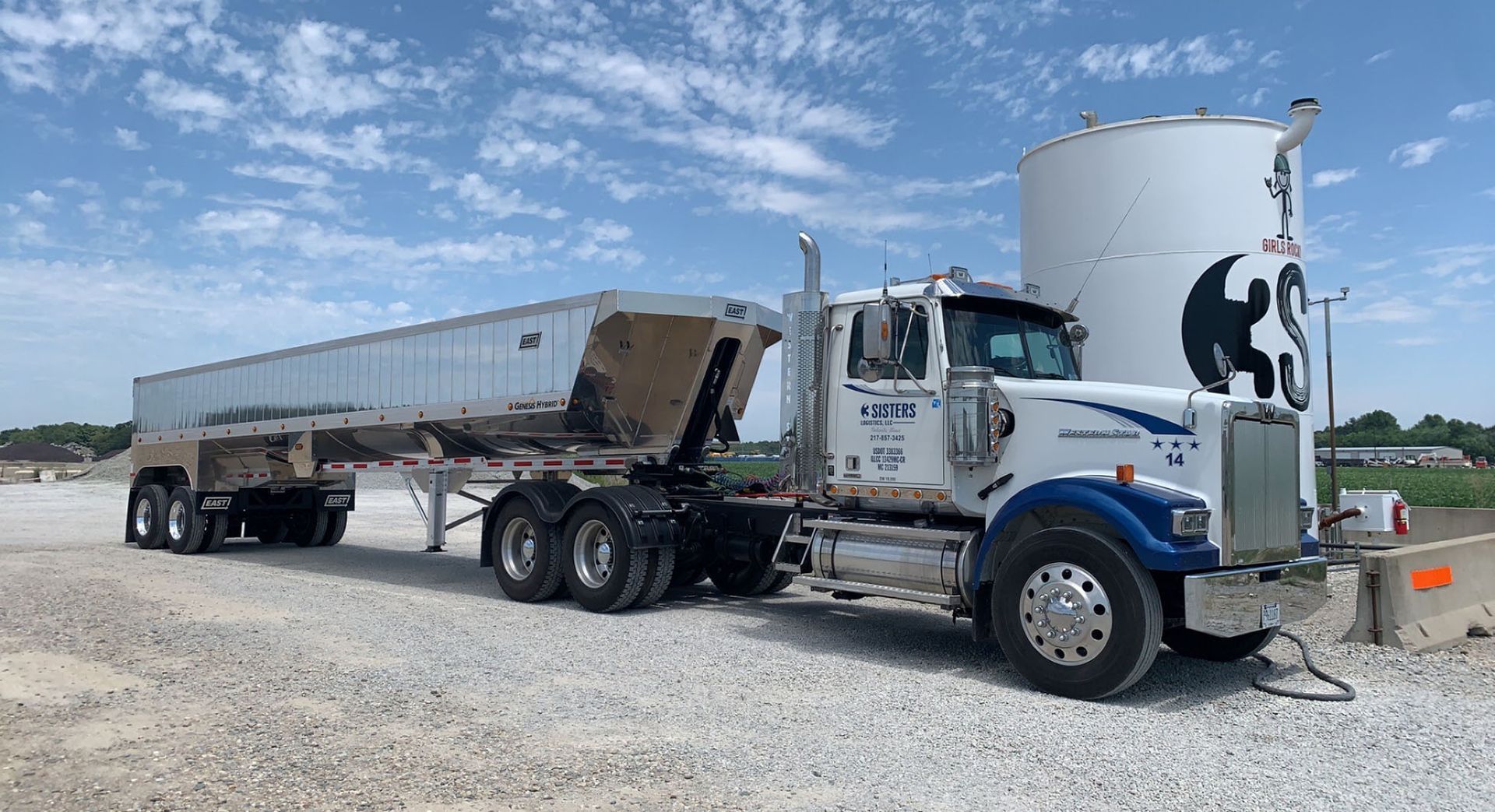
Preparing for crushed stone deliveries requires detailed planning, coordination, and attention to every step of the process. From assessing project requirements and calculating material quantities to site preparation, safety planning, and post-delivery handling, each phase ensures efficiency and high-quality results. According to the U.S. Geological Survey, limestone and dolomite make up about 70% of domestic crushed stone production, highlighting their importance for durable construction projects. Following these tips allows you to streamline the delivery process, avoid delays, and maximize the utility of your resources. For reliable and professional crushed stone deliveries, contact 3 Sisters Logistics LLC to ensure your project is handled seamlessly from start to finish.



















Share On: