

Understanding Crushed Stone Grades: A Simple Guide for Homeowners
Choosing the right material for outdoor and structural projects often comes down to understanding how grading works and why it matters. Crushed stone is one of the most widely used materials in residential construction, landscaping, and infrastructure work because of its versatility and strength. Homeowners often encounter it in driveways, walkways, drainage systems, and foundation preparation without fully realizing how many variations exist. Each grade serves a specific purpose, and selecting the wrong one can lead to performance issues over time. This guide breaks down everything in a practical, easy-to-follow way so decisions feel more confident and informed. The goal is to help homeowners understand how grading impacts durability, stability, and long-term results when working with crushed stone.
Understanding The Crushed Stone Grading Process
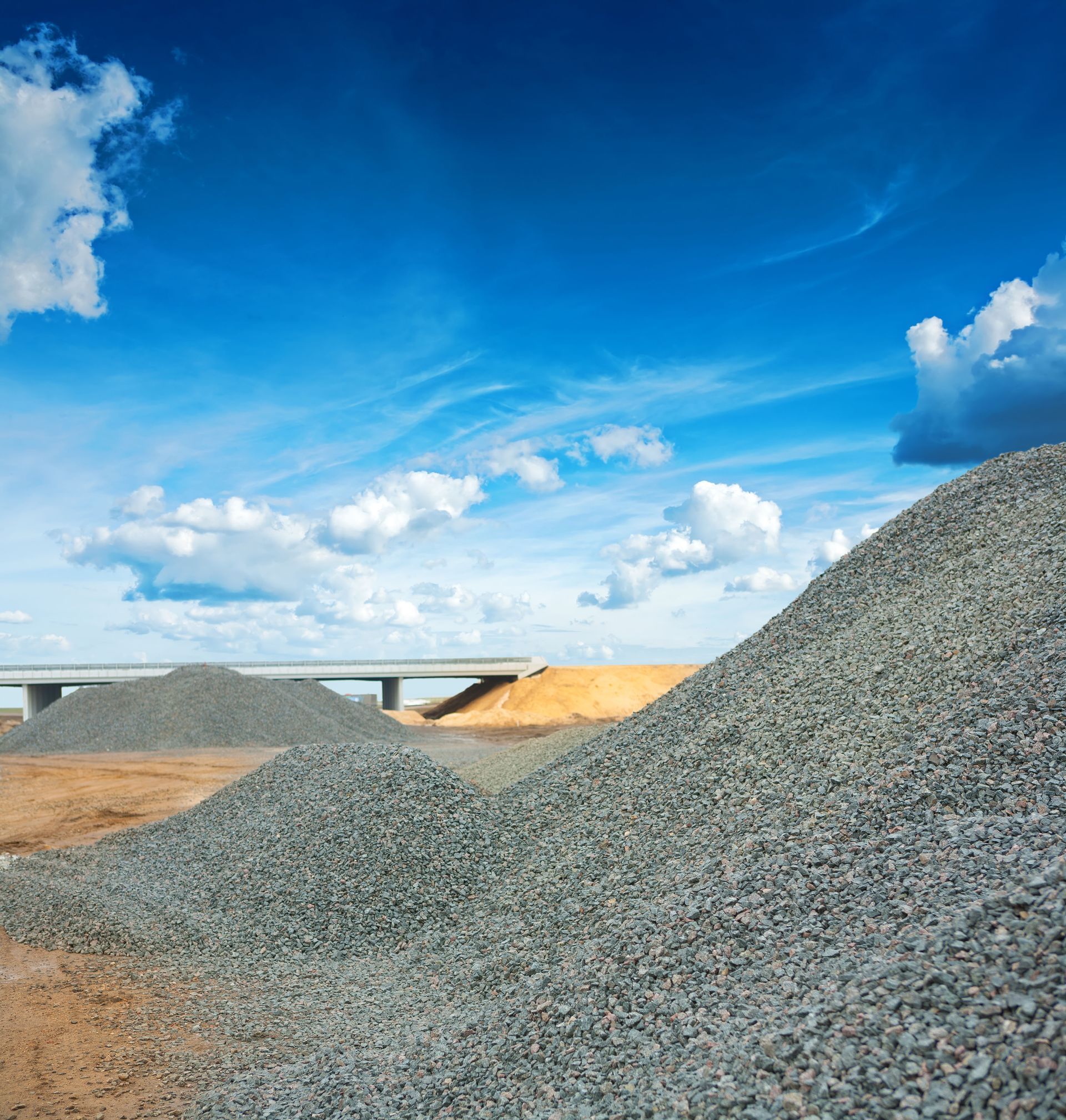
Crushed stone grading is essentially the process of sorting material by size so it can perform specific functions in construction or landscaping. Larger stones are typically used for foundational strength, while smaller particles help create smoother, more compact surfaces. The grading system ensures that each layer of material contributes to stability rather than working against it. When materials are inconsistent, the final structure often becomes uneven or less durable over time.
In residential applications, understanding grading helps eliminate guesswork when planning projects like patios or garden paths. A properly graded base allows water to drain correctly while maintaining surface integrity. Without this structure, surfaces can shift, sink, or erode prematurely. This is why contractors pay close attention to classification before installation begins.
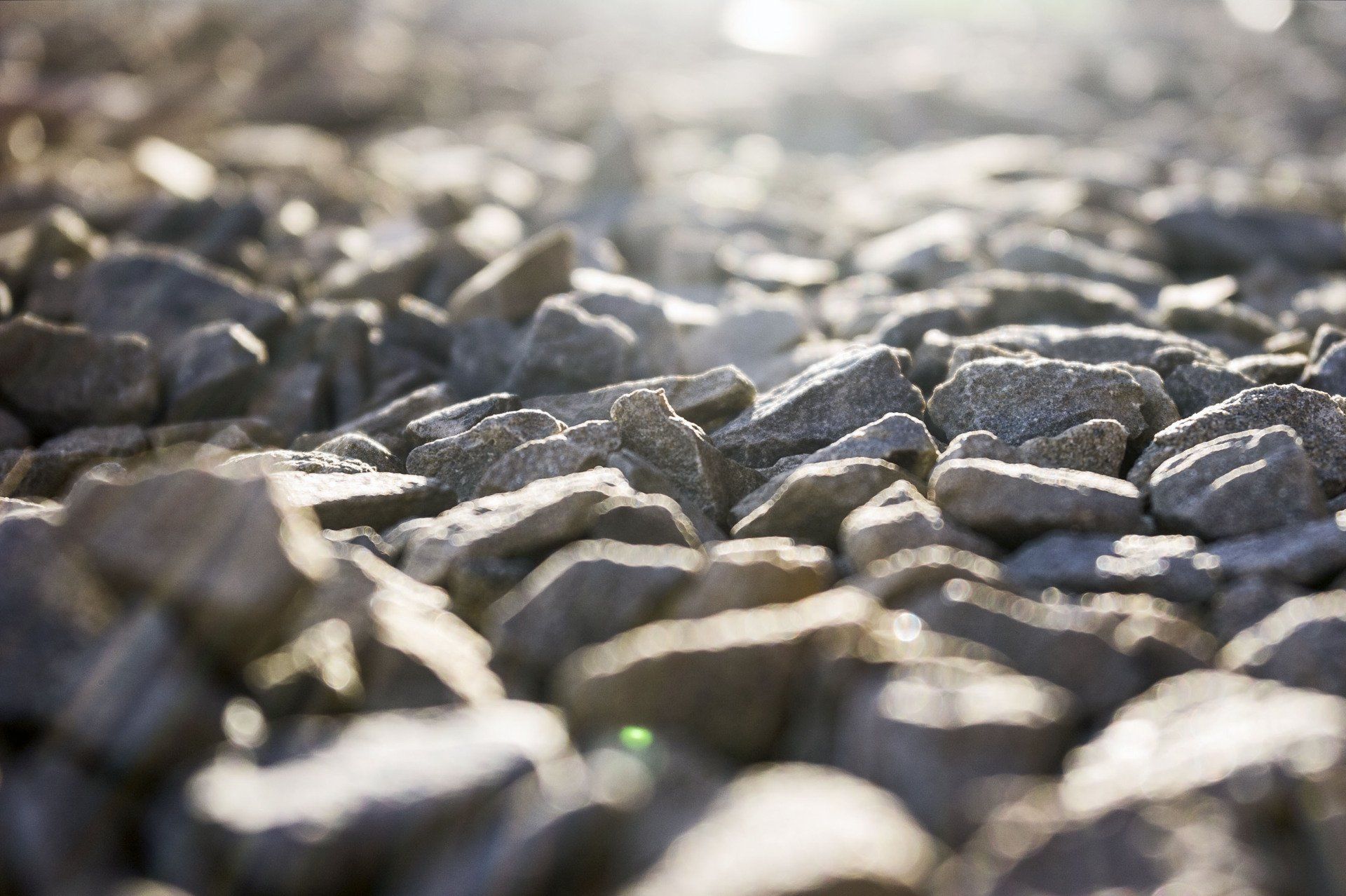
Crushed stone is especially effective because it interlocks when compacted, creating a stable foundation that supports weight and resists movement. That structural behavior is what makes it so valuable in both decorative and load-bearing applications. Homeowners who understand this process are better equipped to avoid common installation mistakes and achieve longer-lasting results.
Selecting The Right Size Categorizing Materials for Use
Selecting the right size of crushed stone is one of the most important steps in ensuring a successful project outcome. Different size categories are designed for different purposes, and choosing incorrectly can compromise both appearance and performance. Smaller grades are often used for finishing layers, while larger grades support structural stability underneath. Each layer works together to create a balanced system that holds up under pressure.
For example, fine material is commonly used for pathways because it compacts easily and creates a smoother walking surface. Medium grades are often selected for driveways, where a balance between drainage and durability is required. Larger grades are typically reserved for base layers that support heavier loads and provide foundational strength.
Crushed stone plays a key role in this system because its irregular shapes allow it to lock together when compacted. This interlocking structure reduces shifting and improves long-term stability. Homeowners benefit from understanding these differences because it helps them match materials more precisely to their project goals.
Evaluating Material Composition Determining Performance Factors
Material composition affects how crushed stone performs in different uses. Common types include limestone, granite, quartzite, and trap rock, each with different levels of strength and durability. Limestone and dolomite are the most widely used due to their availability and consistent performance.
According to USGS findings, about 70% of crushed stone production is limestone and dolomite, mainly used in road bases and concrete. These materials are essential for infrastructure, but inconsistent grading can lead to stability issues in load-bearing applications.
Environmental conditions also matter. Softer stones wear down faster under weather exposure, while denser materials last longer. Understanding these differences helps homeowners choose crushed stone that balances cost, durability, and performance.
Comparing Industry Standards Measuring Quality and Consistency
Industry standards play a critical role in ensuring consistency across all types of crushed stone applications. Organizations responsible for material classification establish guidelines that define acceptable size ranges, durability thresholds, and performance expectations. These standards help contractors and suppliers maintain uniform quality across projects of all sizes.
Crushed stone must meet specific requirements to ensure it performs reliably under different load conditions. When grading is inconsistent, the material may fail to compact properly, leading to uneven surfaces or structural weakness. This is especially important in foundational work where long-term stability depends on precise material behavior.
Standards also help reduce variability between suppliers, making it easier for homeowners and builders to achieve predictable results. The importance of consistency becomes even more evident when considering large-scale applications. For instance, the USGS notes that most crushed stone production consists of limestone and dolomite used in road bases and concrete systems. When this material is not properly graded, it can lead to stability challenges for builders due to uneven load distribution and reduced compaction efficiency.
Installing The Crushed Stone for Landscaping Enhancing Outdoor Spaces
Installing crushed stone in landscaping projects requires careful preparation to ensure both function and appearance are achieved. Proper installation begins with site preparation, including leveling the ground and creating a stable base layer. This helps prevent shifting and ensures the surface remains even over time. Once the base is established, additional layers are added based on the intended use of the space.
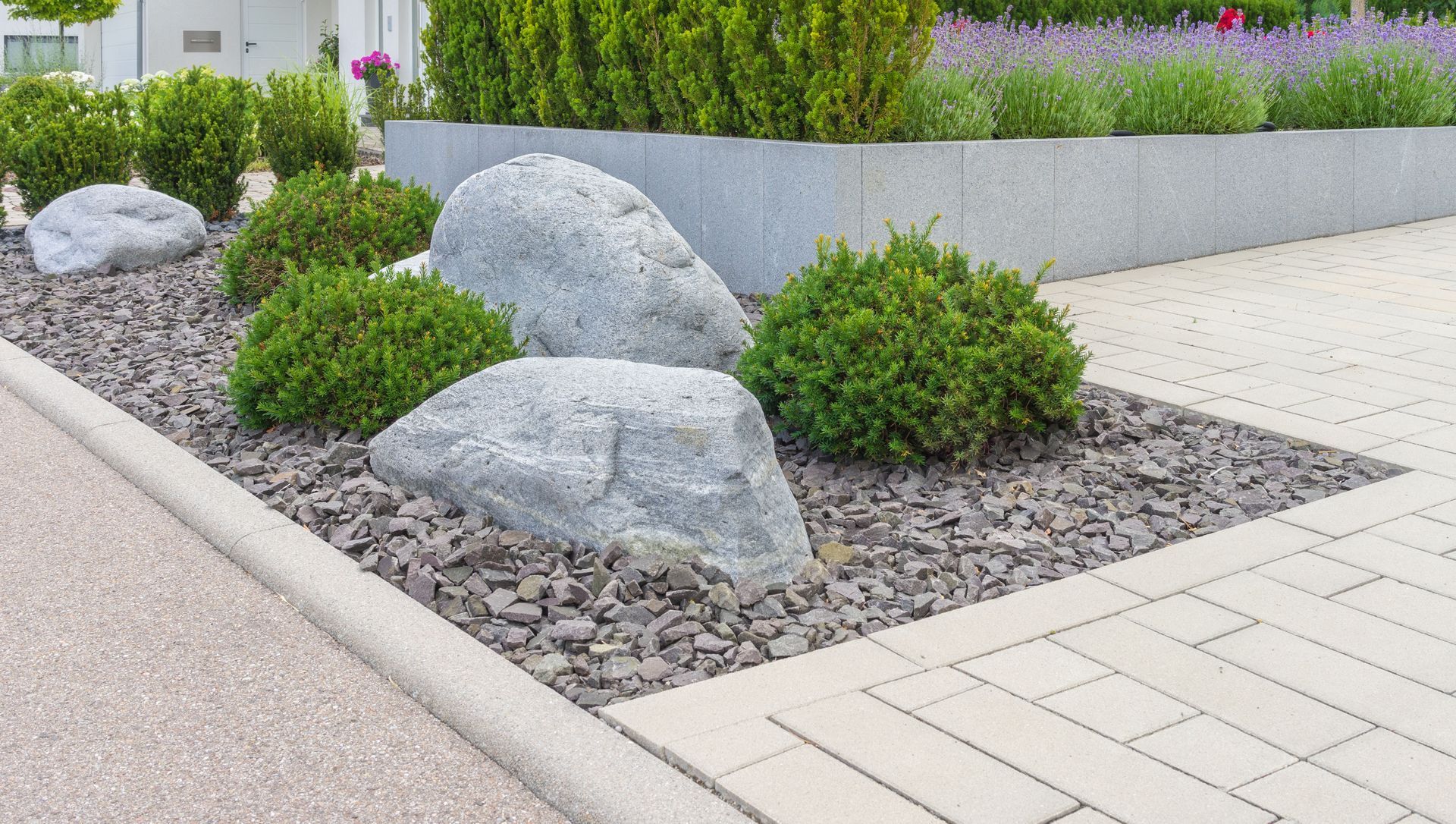
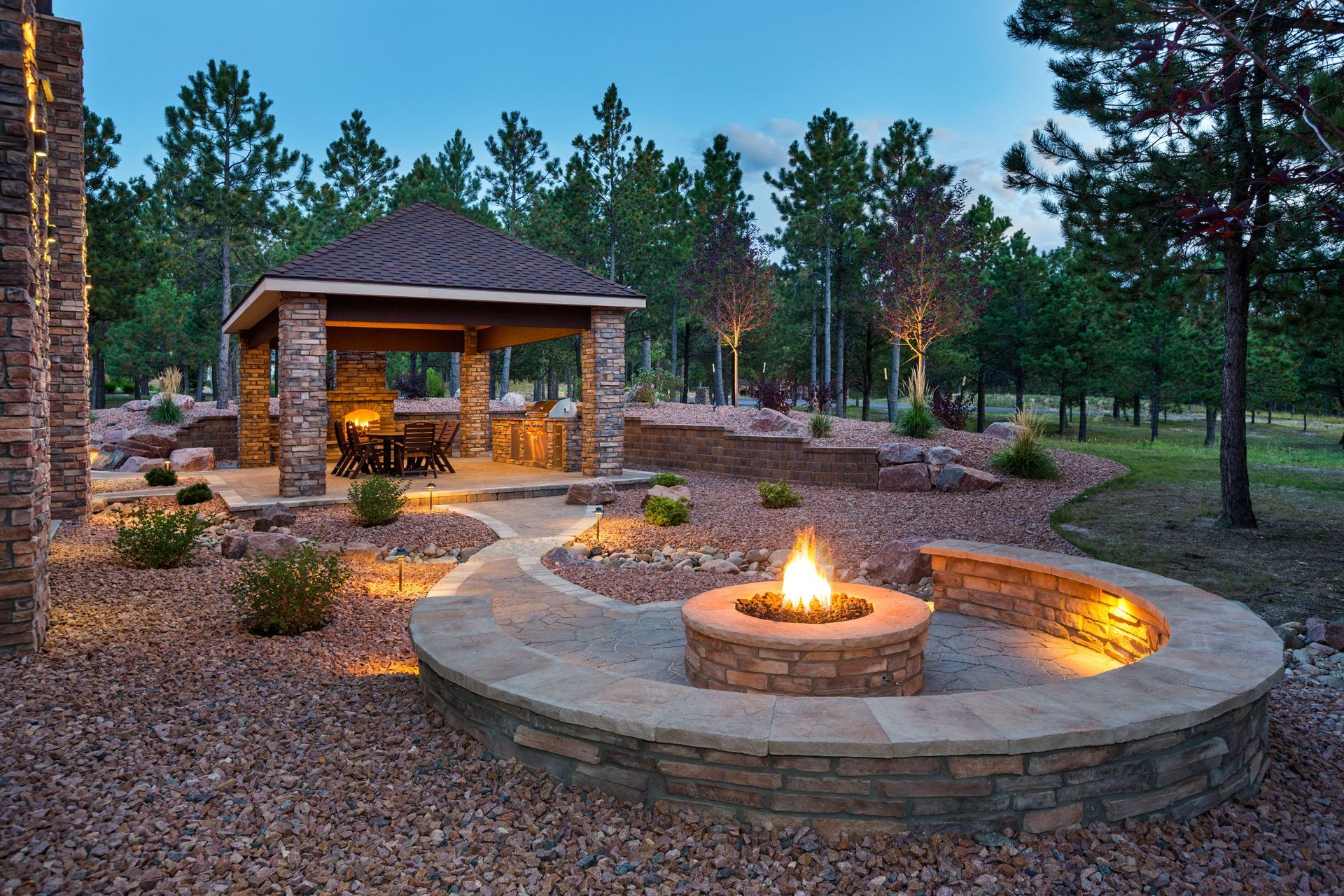
Crushed stone is often used in garden pathways, decorative borders, and patio foundations because it provides a clean, natural appearance while also supporting drainage. Water flows easily through the material, reducing pooling and helping protect surrounding soil and plants. This makes it a practical choice for homeowners looking to combine aesthetics with functionality.
Layering is especially important during installation because each level contributes to overall stability. A poorly installed surface may look acceptable initially but can deteriorate quickly under regular use. Proper compaction and grading ensure the final result remains durable and visually consistent.
Building Driveways and Foundations Structuring Long Term Stability
Driveways and foundations require materials that can withstand heavy loads and continuous pressure, making crushed stone a common choice in these applications. Larger grades are typically used for base layers because they provide strength and prevent shifting under weight. These foundational layers are then supported by smaller grades that improve compaction and surface stability.
When used in driveways, crushed stone allows for effective drainage, reducing the risk of standing water and erosion. This is especially important in areas with frequent rainfall or temperature changes. A properly constructed driveway not only improves functionality but also enhances curb appeal and property value.
Foundations rely heavily on compacted stone layers to distribute weight evenly across the structure. Without this support, settling and cracking may occur over time. The combination of durability and drainage makes crushed stone a reliable choice for both residential and light commercial construction projects.
Ordering and Consulting Professionals Planning Efficient Project Execution
Planning a project involving crushed stone often benefits from professional input, especially when scale or complexity increases. Contractors and material specialists can help determine the correct grade, quantity, and installation approach based on site conditions. This reduces the risk of material waste and improves overall project efficiency.
Homeowners often underestimate how small variations in grading can impact performance. Consulting with professionals ensures that each layer is selected with purpose and installed correctly. This becomes especially important in projects involving drainage, load-bearing surfaces, or long-term landscaping design.
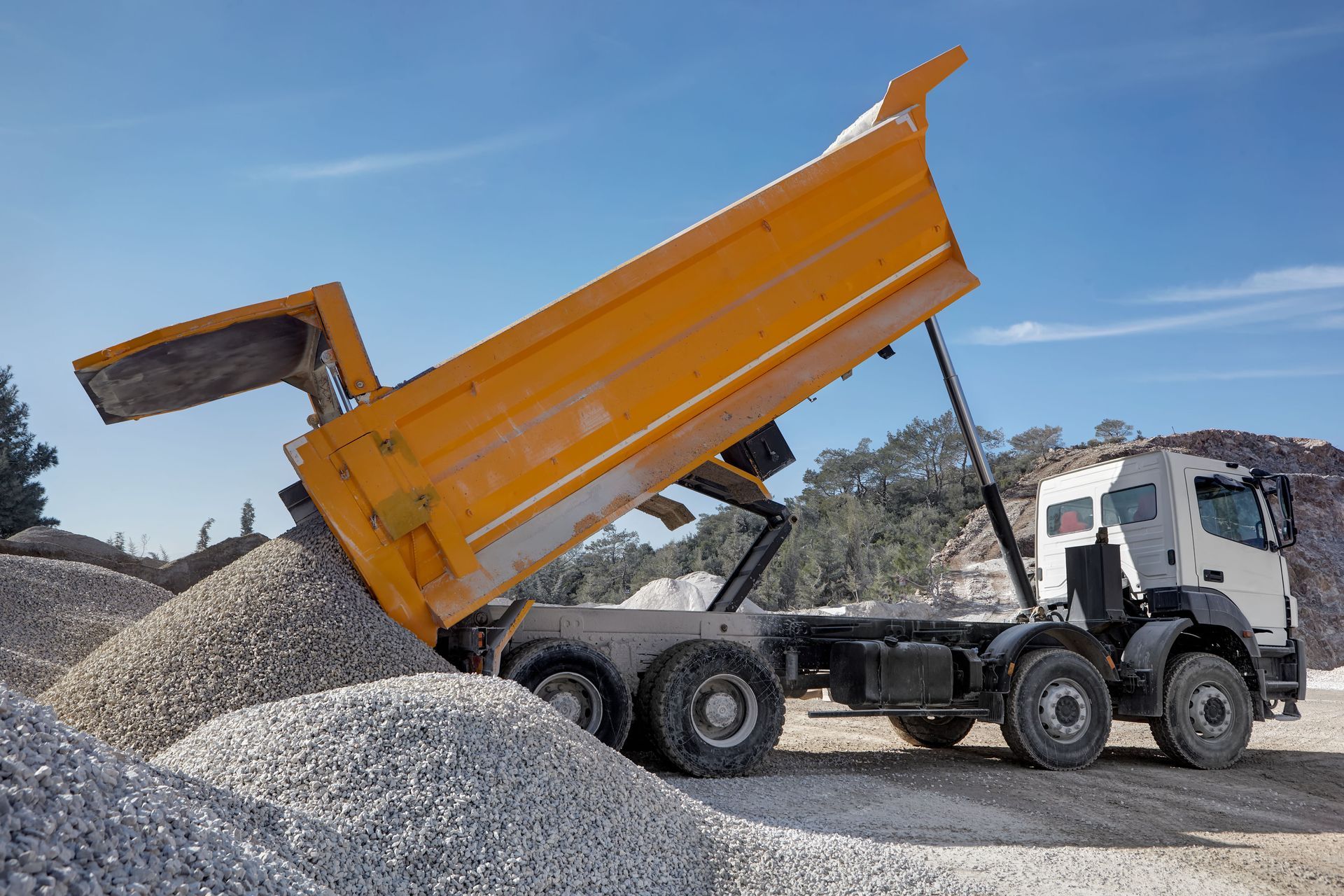
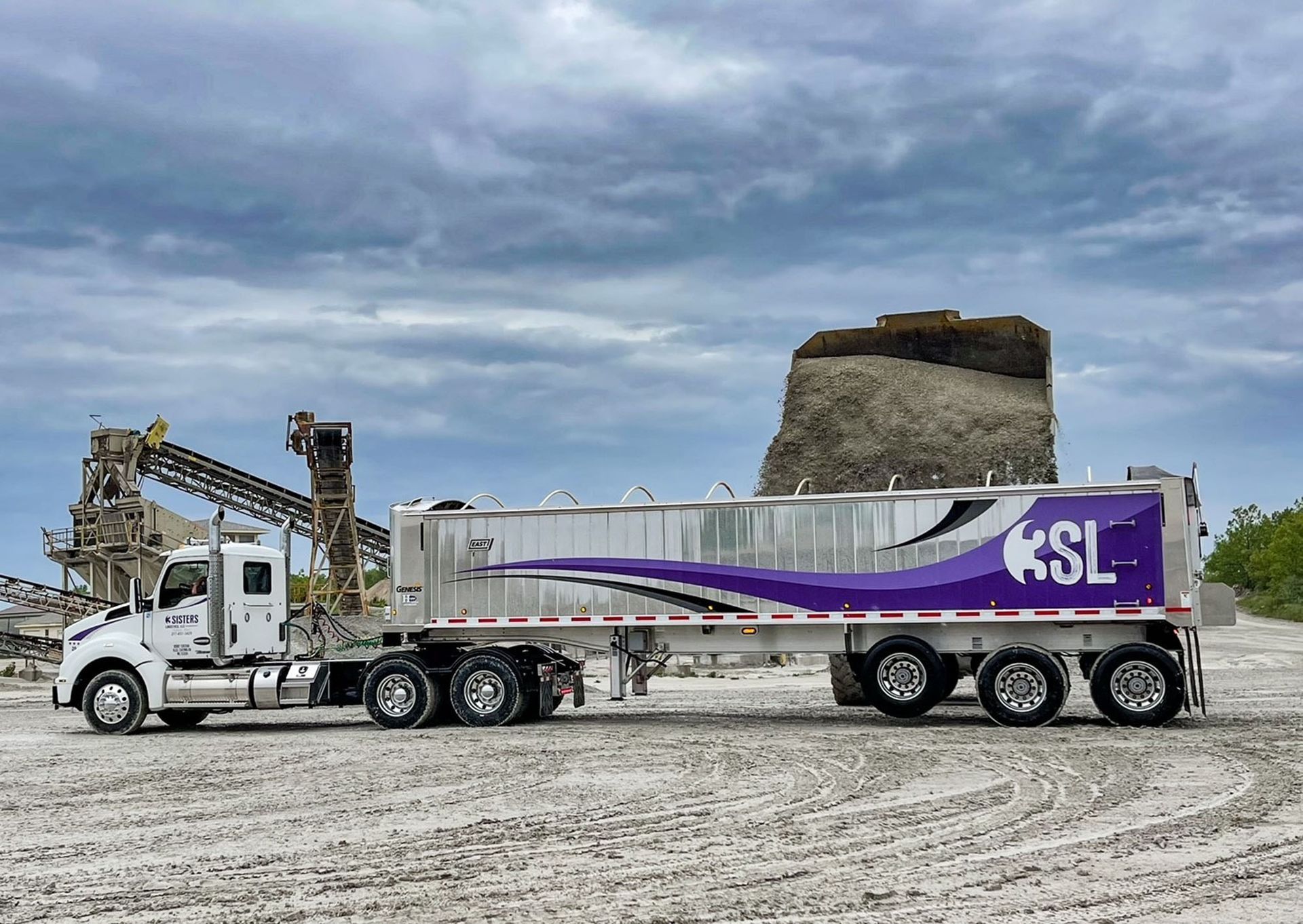
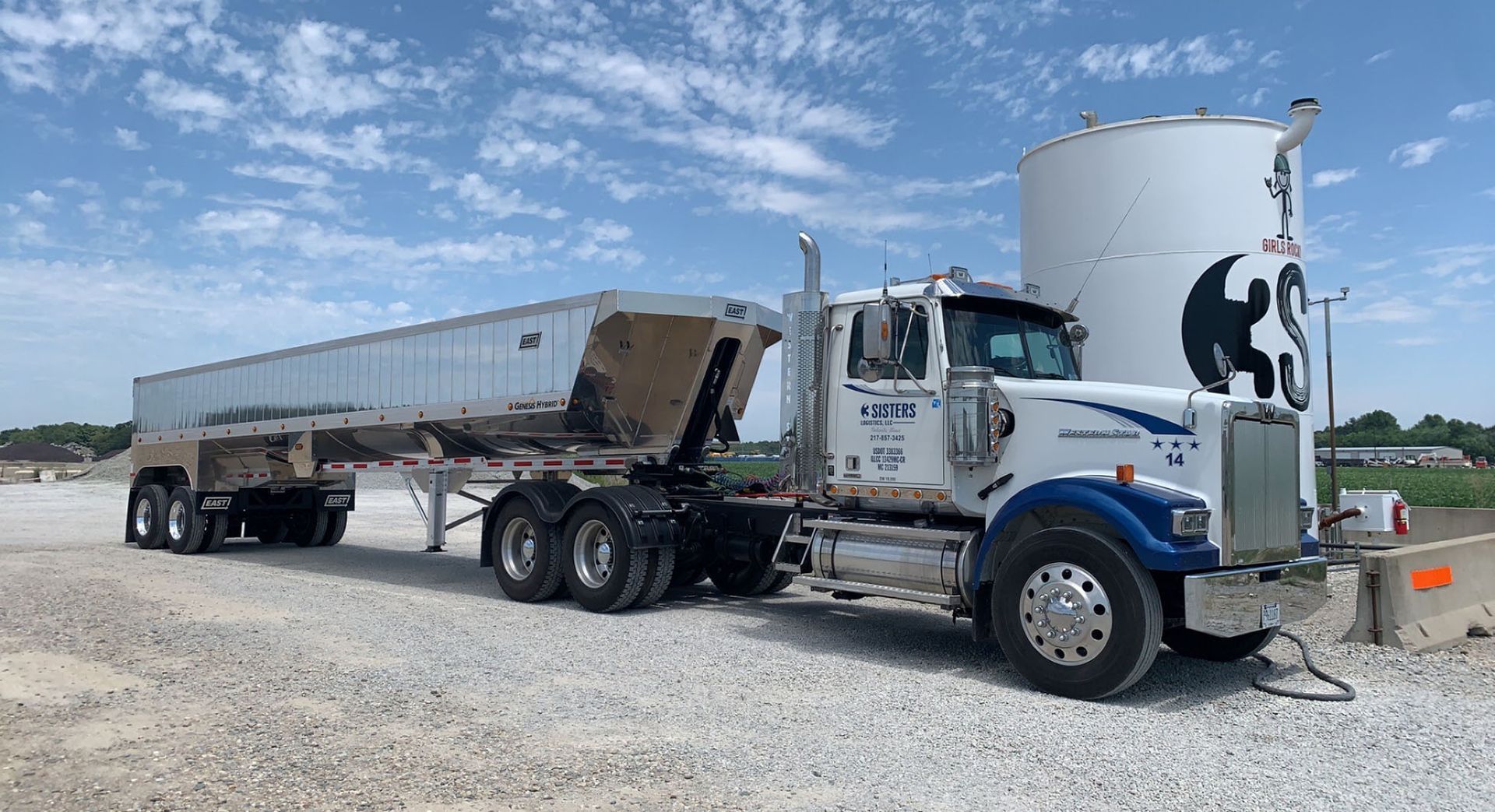
Crushed stone selection also involves logistical planning, including delivery timing, storage, and installation sequencing. Proper coordination helps prevent delays and ensures materials are used effectively. With the right planning approach, even large-scale projects become more manageable and predictable.
Understanding how crushed stone functions across different applications helps homeowners make more informed and practical decisions. From landscaping and driveways to foundational support, each grade serves a distinct role that directly impacts durability and performance. When materials are selected and installed correctly, long-term maintenance needs are reduced and structural reliability improves. Taking time to evaluate grading, composition, and installation methods leads to better outcomes across all types of projects. For dependable material coordination and delivery support, 3 Sisters Logistics LLC.












Share On: