

Local Crushed Stone Delivery: Speeding Up Your Driveway or Patio Build
Efficiently managing construction projects, whether at home or on a larger scale, is essential for achieving high-quality results. Understanding the benefits and processes involved in local crushed stone delivery can significantly impact the speed and quality of your driveway or patio build. With careful planning and the right resources, homeowners can streamline their projects, reducing time and cost while ensuring long-lasting results. The choice and delivery of materials are crucial, especially when considering something as fundamental as crushed stone. This guide aims to provide comprehensive insights into selecting and ordering the right aggregates to help you make informed decisions for your construction needs.
Understanding Crushed Stone: Types and Uses
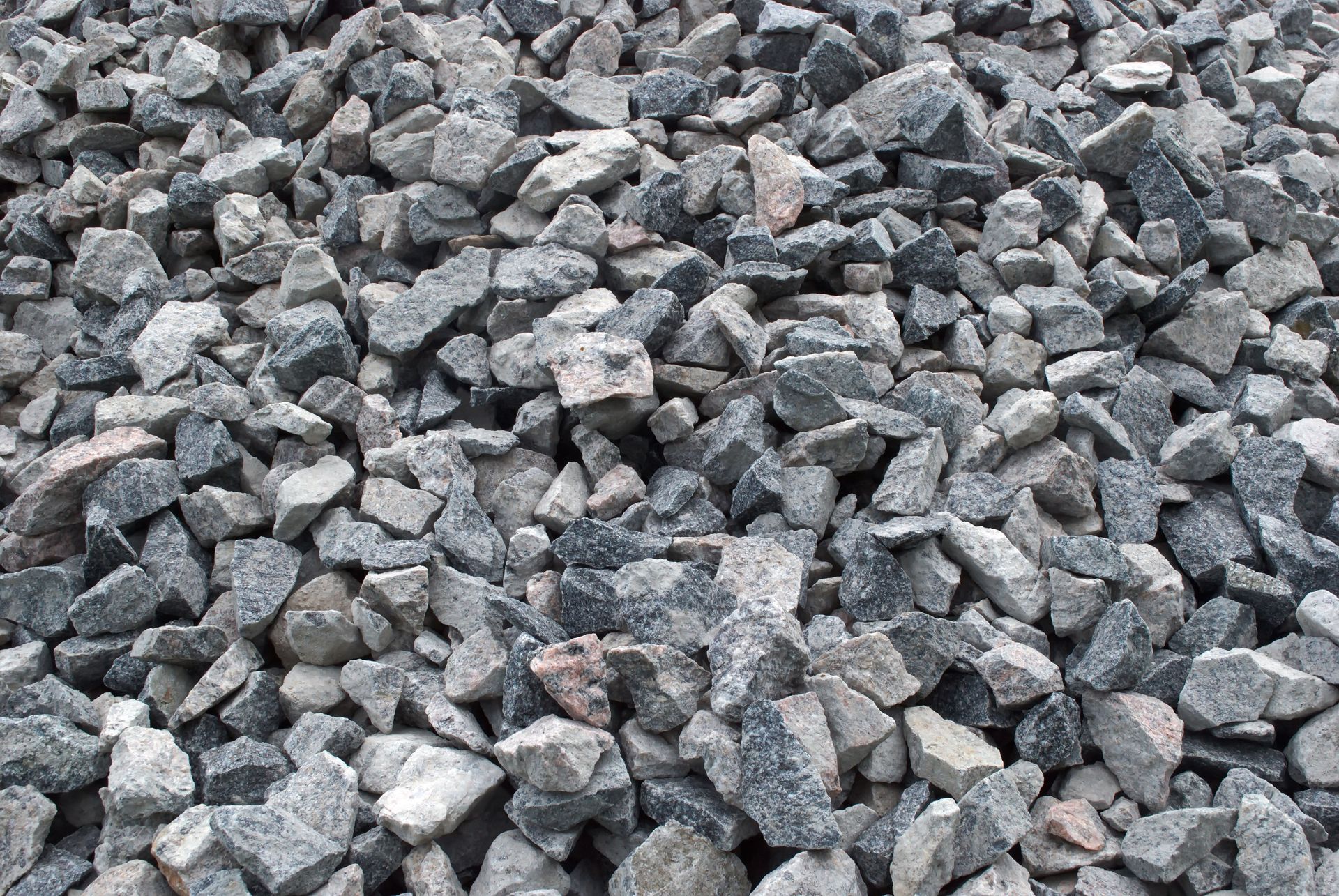
Crushed stone is a versatile construction material typically produced by mining a rock deposit and breaking it down to specific sizes using mechanical crushers. It serves as a fundamental aggregate for residential structures like driveways and patios, providing essential structural support and drainage. According to the Department of Energy, about three-quarters of the crushed stone production is limestone and dolomite, followed by, in descending order of tonnage: granite, traprock, sandstone and quartzite, miscellaneous stone, marble, slate, calcareous marl, shell, volcanic cinder and scoria.
When planning an outdoor build, securing a reliable local crushed stone delivery ensures you receive the appropriate rock type for your specific climate and load-bearing needs. For example, larger stones provide a robust base layer, while smaller, interlocking varieties create a smooth, walkable surface for patios. Choosing the right composition and size minimizes shifting and prevents future cracking or settling.
Additionally, selecting the correct material helps manage water runoff effectively. Limestone and dolomite offer exceptional compaction properties, making them ideal for heavy traffic areas. Meanwhile, granite and traprock offer distinct aesthetic variations and incredible hardness, ensuring that your final driveway or patio surface looks visually appealing while resisting the friction of daily wear and tear.
Planning Your Project: Key Considerations
A successful construction project begins with accurate site measurements and a clear understanding of your material requirements. To estimate the total aggregate needed, multiply the project area by the desired depth to calculate the total volume in cubic yards. Ordering the exact volume prevents unnecessary project downtime and ensures your base layers are uniformly deep across the entire footprint.
Budgeting for your project requires accounting for both the material costs and the logistics of transporting heavy aggregates. Utilizing a local crushed stone delivery service reduces transit distances, which helps keep shipping fees manageable and aligns material drop-offs with your labor schedule. Defining these logistical parameters early prevents unexpected delays and helps keep your timeline on track.
It is also wise to factor in environmental variables during the planning stage. Heavy rain can impact soil stability, making it difficult to spread aggregates efficiently if the ground turns to mud. By mapping out a flexible timeline that accounts for potential weather disruptions, you can coordinate your material arrivals precisely when the site conditions are optimal for installation.
Finding Local Suppliers and Services
Identifying reputable regional suppliers is key to acquiring premium materials and dependable transport services. Look for suppliers with proven track records, transparent pricing structures, and excellent customer feedback regarding material uniformity and punctuality. Establishing a direct relationship with a local supplier often results in better coordination and more precise delivery window estimates.
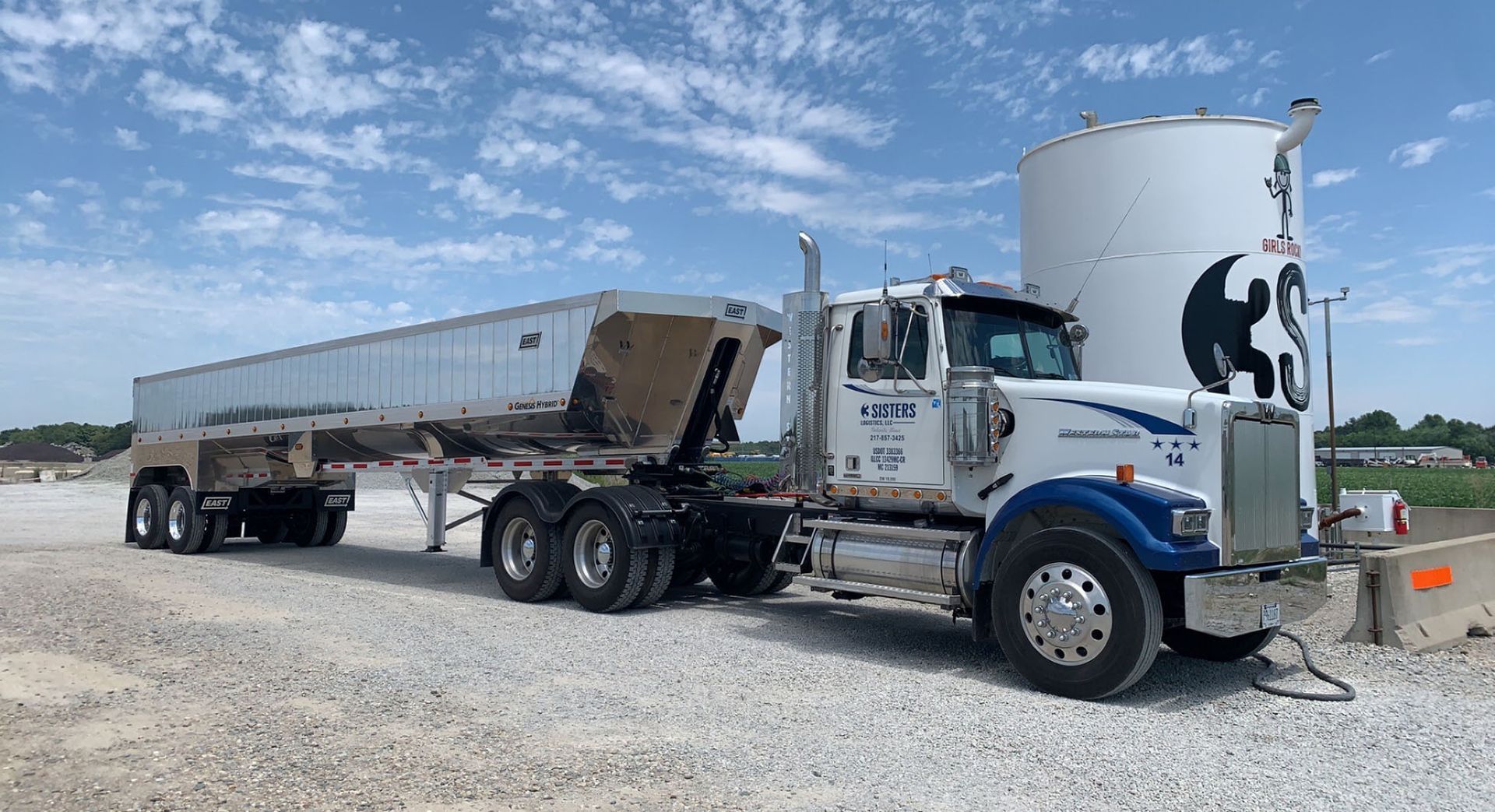
When evaluating service providers, compare their fleet capabilities and delivery options to ensure they can accommodate your site constraints. A supplier offering specialized local crushed stone delivery can often maneuver heavy vehicles safely into residential zones without damaging existing landscapes. Aligning your project needs with a capable logistics provider guarantees a seamless procurement process.
Furthermore, local suppliers possess invaluable regional knowledge regarding soil composition and local code requirements. They can recommend specific grading sizes that perform best under localized weather patterns, such as heavy frost cycles or intense summer heat. Leveraging this expertise helps you avoid common structural pitfalls and ensures compliance with neighborhood guidelines.
Optimizing Delivery Processes
Streamlining the arrival of your construction materials requires thorough site preparation before the transport vehicles arrive. Clear any overhanging branches, vehicles, and debris from the designated drop-off zone to provide an unobstructed path for the delivery trucks. Ensuring a stable, accessible unloading area prevents delays and allows the driver to deposit the stone exactly where it is needed.
Maintaining open communication with your provider allows you to coordinate real-time updates and adapt to unexpected variables like sudden weather shifts. A prompt local crushed stone delivery minimizes the time materials spend sitting idle, keeping your crew productive and moving efficiently into the installation phase. Proper scheduling ensures that base aggregates arrive precisely when the groundwork is prepared.
Consider the physical weight of the delivery vehicles when choosing a staging area on your property. Fully loaded dump trucks can inadvertently crack thin concrete walkways or leave deep ruts in soft lawns. Discussing these spatial and structural limits with your delivery coordinator beforehand allows for the creation of a safe, efficient unloading strategy that protects your landscape.
Installation Best Practices for Driveways and Patios
Long-term durability depends on establishing a stable, well-compacted subgrade before spreading your aggregates. Excavate the area to the proper depth, remove loose topsoil, and compact the subsoil thoroughly to prevent future settling. Applying a geotextile fabric over the soil can further stabilize the base and prevent dirt from mixing with your clean stone layers.
Distribute the aggregate in uniform lifts, compacting each layer thoroughly with a mechanical plate compactor to achieve maximum density. Scheduling your local crushed stone delivery in stages can help you manage large volumes of material efficiently, ensuring each layer is leveled and compacted properly. Proper compaction guarantees a rigid, permeable foundation capable of supporting heavy vehicular traffic or patio pavers.
Neglecting proper drainage during installation can cause water to pool beneath the surface, destabilizing the entire project over time. To avoid this, introduce a slight slope, typically a quarter-inch drop per foot, away from residential structures during the grading process. This ensures that heavy rainfall drains away seamlessly, protecting your home's foundation and extending the life of your build.
Maintaining Your Crushed Stone Structures
Routine inspections and minor upkeep will preserve the structural integrity and aesthetic appeal of your driveways and patios over time. Periodically rake the surface to redistribute displaced stones and fill in any minor depressions that develop from heavy use. Addressing small shifts early prevents localized pooling of water and preserves the uniform grade of your installation.
Implementing weed barriers and managing nearby drainage ensures that water flows away from your aggregate base rather than eroding the foundation. For major structural updates or large-scale renovations, arranging a fresh local crushed stone delivery can restore thin spots and revitalize the look of your property. Consistent care safeguards your investment and extends the lifespan of your outdoor features.
Seasonal changes also demand specific maintenance attention, particularly in regions that experience severe winter weather. Avoid using harsh chemical de-icers that can break down certain stone types, and instead use sand for traction. Checking the edges of your driveway or patio for erosion after the spring thaw allows you to make quick, targeted repairs before minor shifts become major structural issues.
Mastering the process of obtaining and utilizing local materials can significantly accelerate your construction timeline and elevate the quality of your project. By understanding aggregate varieties, planning your layout thoroughly, and adhering to proper compaction techniques, you ensure a durable finish. For more information about the services that we offer, reach out to our incredible team at 3 Sisters Logistics LLC today!
















Share On: