

Crushed Stone vs. Pea Gravel: Which is Best for Your Landscaping Project?
Landscaping projects require hardscaping materials to define outdoor spaces and provide drainage. Choosing the proper aggregate material determines the longevity and visual appeal of the area. Among the prevalent choices available are smooth, rounded pebbles and jagged, angular rocks. Builders evaluate these aggregate options based on durability, baseline cost, and appearance. Selecting between pea gravel and crushed stone requires comprehending the physical properties of each material.
Both materials serve vital purposes in garden design and pathway construction. Smooth pebbles offer a gentle texture suitable for barefoot walking, while angular rocks lock together to create a rigid surface. Property owners must weigh the functional benefits of each option against the unique requirements of their terrain. This guide explores the fundamental differences to help decision-makers choose the optimal foundation for residential outdoor living spaces.
Evaluating the Characteristics of Angular Rock
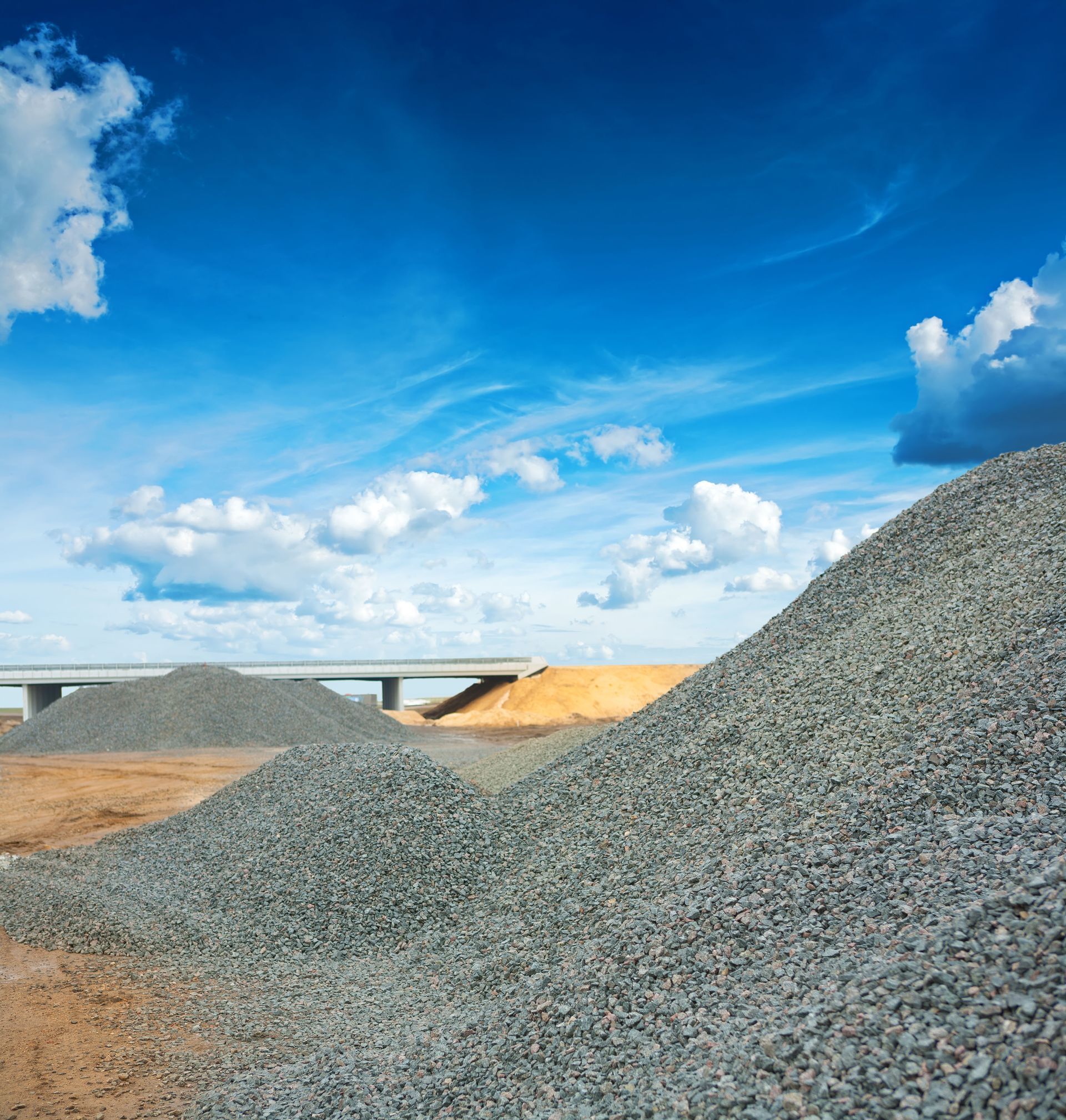
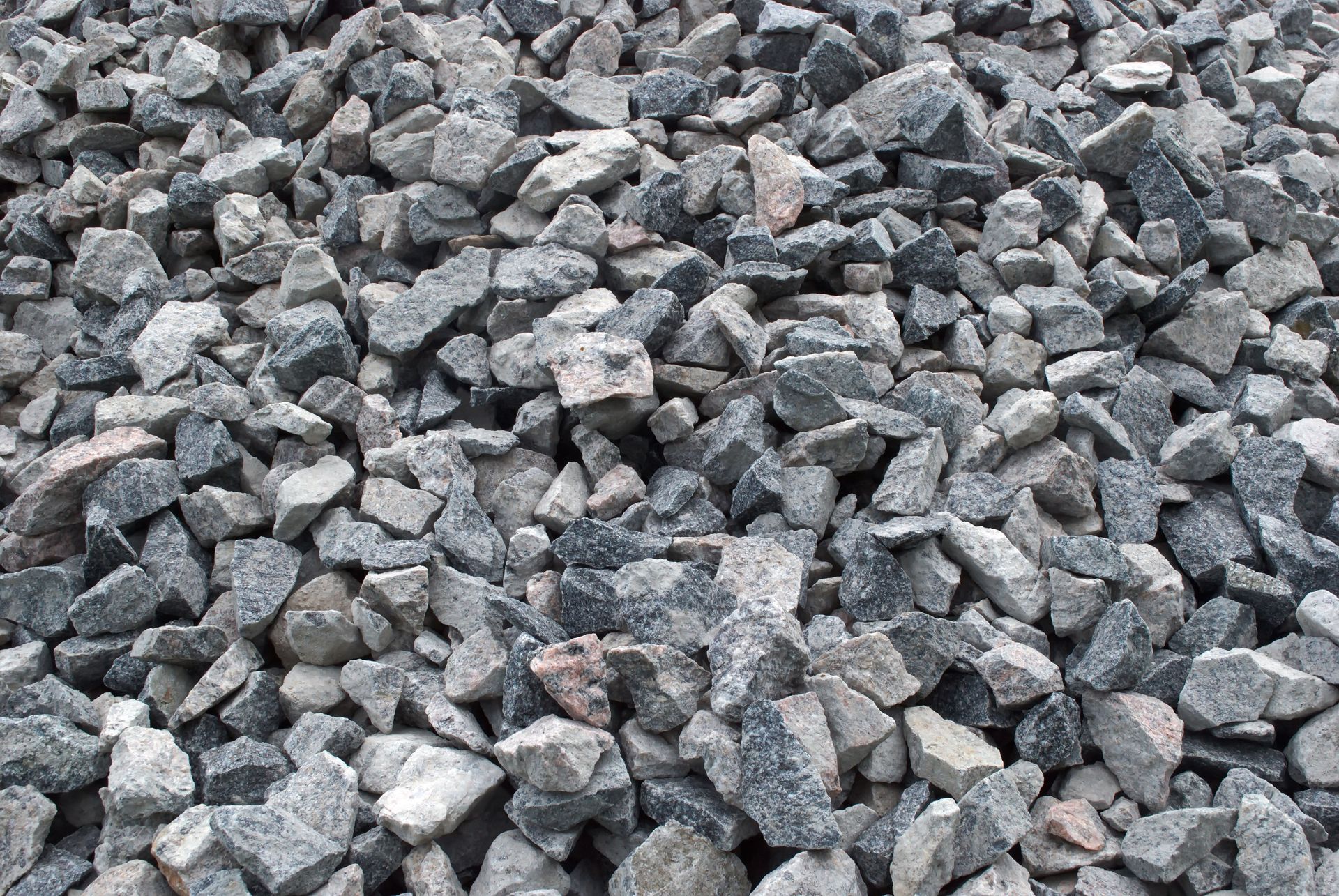
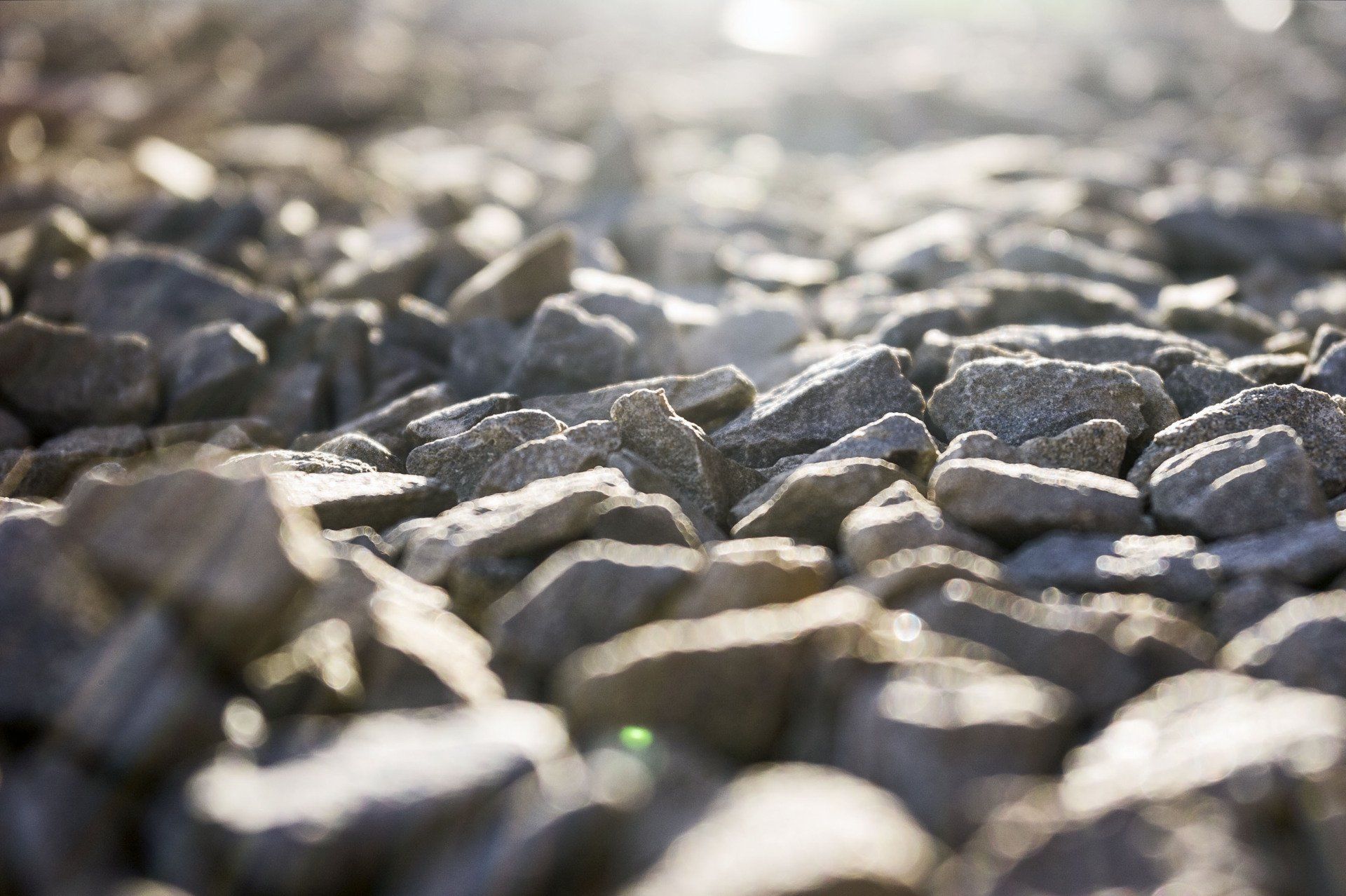
Angular rock, recognized in the industry as crushed stone, originates from rock formations mined at industrial quarries. Heavy machinery breaks these formations into smaller, jagged pieces through a mechanical process. This manufacturing gives the aggregate sharp, rough edges. These edges allow the pieces to interlock when subjected to compaction. The resulting interlocking nature creates a firm, unyielding surface capable of supporting immense weight without shifting.
Contractors prefer this stable material for residential driveways and structural retaining wall bases. The jagged pieces grip each other, preventing the surface from rolling under vehicular weight. This inherent stability reduces the need for constant raking or grading maintenance. The compacted material resists displacement from heavy rain runoff or wind gusts. Such environmental resilience makes it an excellent choice for demanding high-traffic areas.
Homeowners select from multiple natural colors and varied sizes to match their exterior architectural design. Commercial quarries produce this material in shades ranging from crisp white to dark charcoal. The color depends on the parent rock, such as natural granite, limestone, or dense basalt. This variety allows landscape architects to coordinate the hardscaping with existing structural elements. The aesthetic flexibility elevates the visual impact.
While functional, the rough texture presents a noticeable drawback for certain residential applications. Barefoot walking on this jagged surface causes discomfort. Therefore, landscape designers avoid placing it near swimming pool decks or children's recreational areas. Despite this tactile limitation, the structural benefits make it a fundamental component in site preparation. The material remains a staple for establishing solid landscape foundations across diverse residential building sites.
Examining the Properties of Rounded Gravel
Unlike the jagged edges of crushed stone, pea gravel features a smooth, rounded surface. Natural weathering processes in riverbeds and streams shape these small stones over extensive geological periods. Constant water currents tumble the rocks, smoothing away sharp corners. This continuous smoothing results in a polished, pleasing appearance. The small, round stones physically resemble the size and shape of garden peas, giving the aggregate its familiar name.
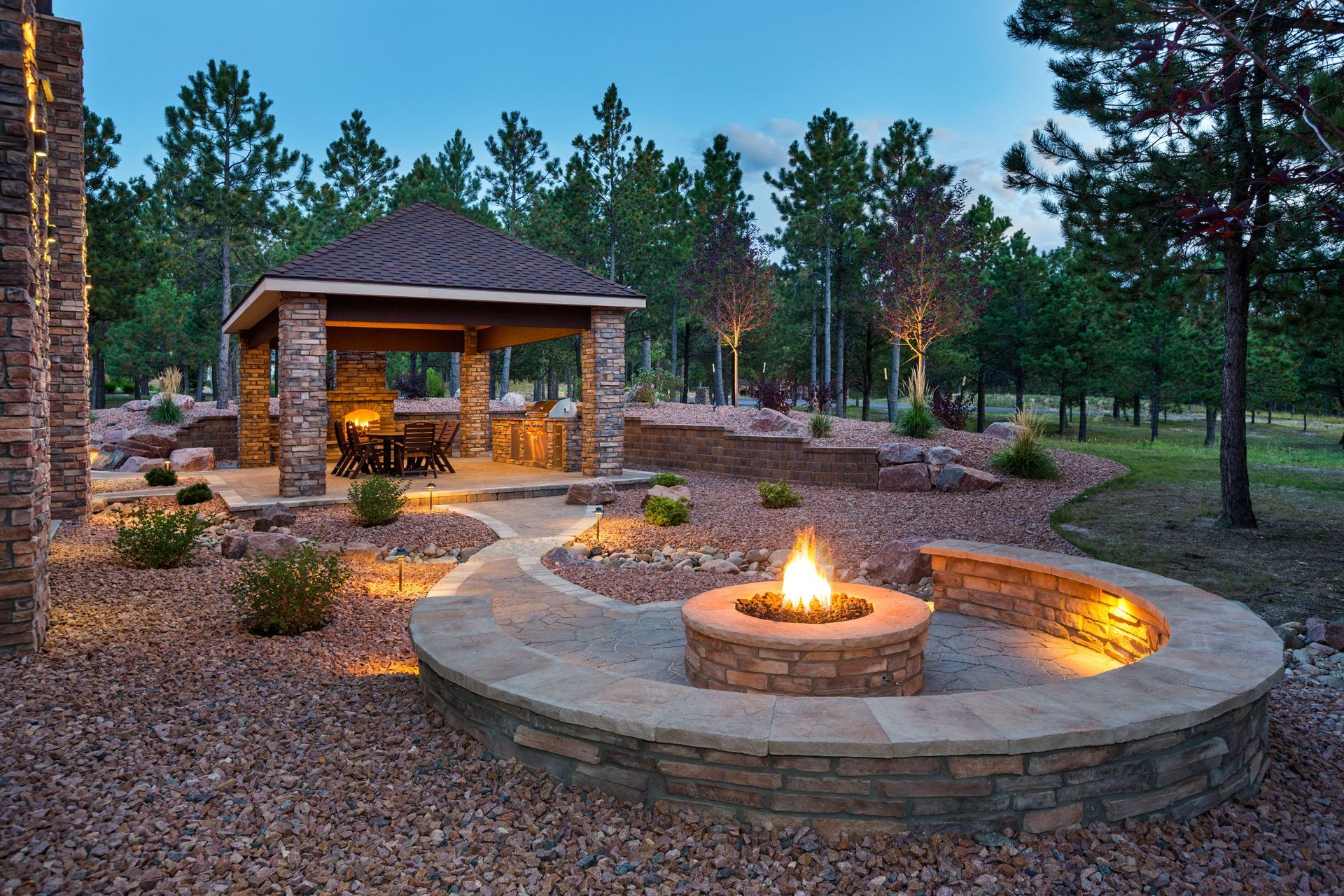
The smooth texture provides a comfortable walking surface for pedestrians navigating the garden. People can traverse barefoot across these stones without experiencing discomfort. This comfort factor makes the material a preferred choice for backyard patios, dedicated dog runs, and cozy fire pit seating areas. The forgiving feel underfoot creates an inviting atmosphere for outdoor recreational spaces. Property owners appreciate the soft aesthetic it brings to casual zones.
The attractive rounded shape comes with a definitive structural disadvantage. Without angular edges to grip and interlock, the stones tend to roll and shift under constant pressure. This mobility means the loose surface struggles to support heavy vehicles or equipment. Driveways constructed with this smooth material develop deep ruts and require constant raking. Landscape managers must install rigid edging to contain the moving stones and prevent migration.
Aesthetically, these tumbled river stones offer a diverse, multi-colored palette that enhances visual interest. A standard batch contains varied natural hues of brown, gray, white, and red. This organic color variation blends seamlessly with lush botanical garden elements. The earthy tones complement green plant beds and dynamic water features, adding rustic charm to exterior designs. Landscape designers leverage this color diversity to create visual contrasts against stark pathways.
Comparing the Drainage Capabilities of Each Material
Effective water management remains a critical aspect of any successful landscape design. Stagnant surface water damages delicate plant roots and weakens structural concrete foundations. Both aggregate materials facilitate essential drainage by allowing water to pass through the empty gaps between individual pieces. Landscapers utilize these porous materials to prevent pooling in low-lying residential areas. Proper aggregate installation guarantees rainwater flows away from building structures, protecting the property.
The angular pieces of crushed stone create a porous yet structurally stable base layer. Rainwater filters through the jagged rocks without displacing the compacted foundational bed. Contractors utilize this durable material in French drains and underground trench systems. The structural integrity of the locked pieces prevents the drainage trench from collapsing over time. This overall reliability makes it an ideal subsurface aggregate layer for managing storm runoff.
Smooth river pebbles also provide exceptional soil permeability for decorative planting beds. The generous spaces between the round rocks allow abundant rainwater to reach the underlying soil. Gardeners place these stones around ornamental plants to retain soil moisture while preventing surface flooding. The yielding nature of the material accommodates the gradual expansion of growing plant roots. This flexibility protects fragile flora while maintaining optimal soil hydration.
When evaluating potential drainage solutions, the final aggregate choice depends on the specific surface application. Subsurface drainage systems require the unyielding stability of angular rock. Conversely, decorative surface drainage applications benefit from the charming aesthetic appeal of smooth pebbles. Landscape architects assess the anticipated volume of water and the geographical location to determine the appropriate aggregate. Matching the correct material to the exact drainage requirement ensures resilience.
Analyzing the Cost and Installation Factors
Budgetary constraints often dictate the material selection for extensive outdoor hardscaping renovations. Property owners must calculate both the initial material cost and the subsequent labor installation expenses. Local aggregate availability influences the final retail price. Transportation fees increase when purchasing bulk materials sourced from distant geographical regions. Selecting a locally quarried aggregate product reduces overall project expenditures, allowing property owners to allocate conserved funds to other elements.
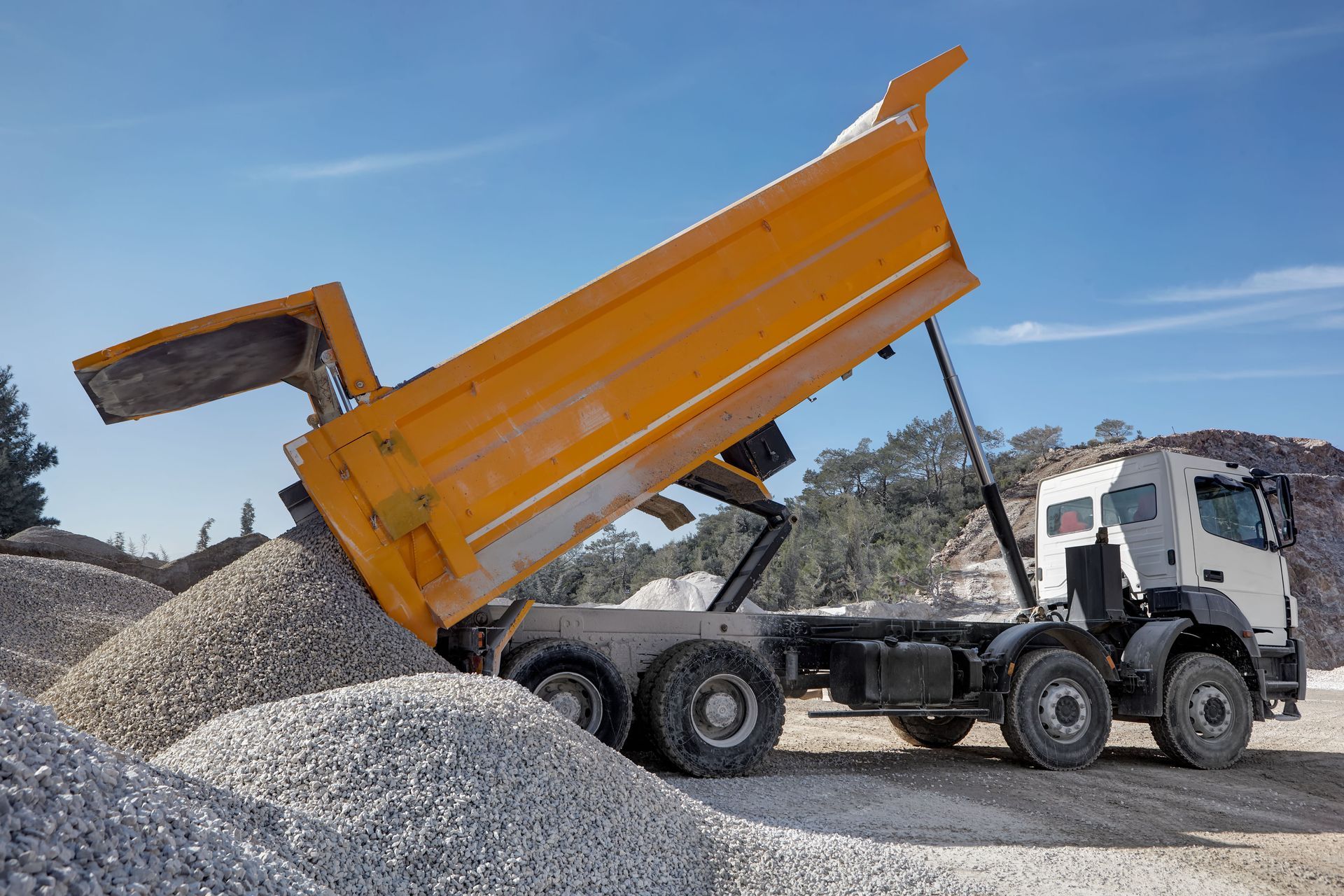
According to Substrata, limestone accounts for around 70% of crushed rock made in the United States, and most imported limestone is already crushed to help with transport. Because this material is widely produced domestically, it remains an economical choice for massive applications. Buyers can procure large aggregate quantities without exceeding strict financial limits. This widespread affordability makes crushed stone the standard for extensive driveway installations and foundational base layers. Builders rely on it for cost-effective preparation.
Rounded pebbles carry a higher premium price tag due to the natural collection process. Harvesting these stones from active riverbeds requires specialized environmental permits and intensive labor. The limited availability of natural tumbled stones drives up the retail cost. Homeowners willing to invest a larger landscape budget choose this elegant option for its superior decorative value. The increased monetary expense is justified by the polished, premium look it provides.
Installation procedures differ between these distinct aggregate options. Angular rock requires heavy tamping and mechanical compaction machinery to secure the jagged pieces together. This intensive compaction creates a rigid, permanent surface ready for immediate use. In contrast, smooth pebbles need only gentle leveling with a standard landscape rake. However, the round stones demand the additional installation of rigid perimeter borders. Both materials require weed barrier fabric underneath to block growth.
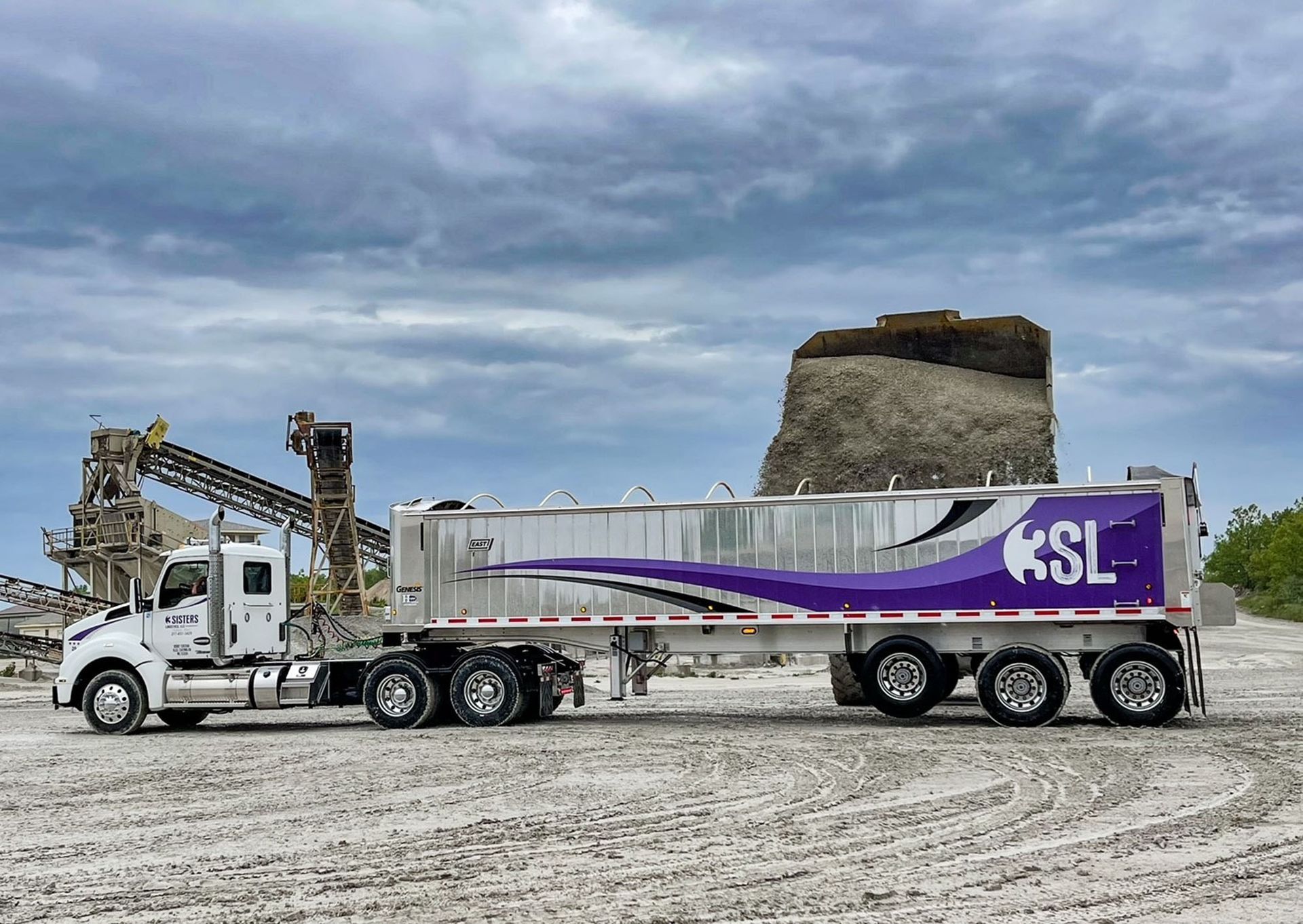
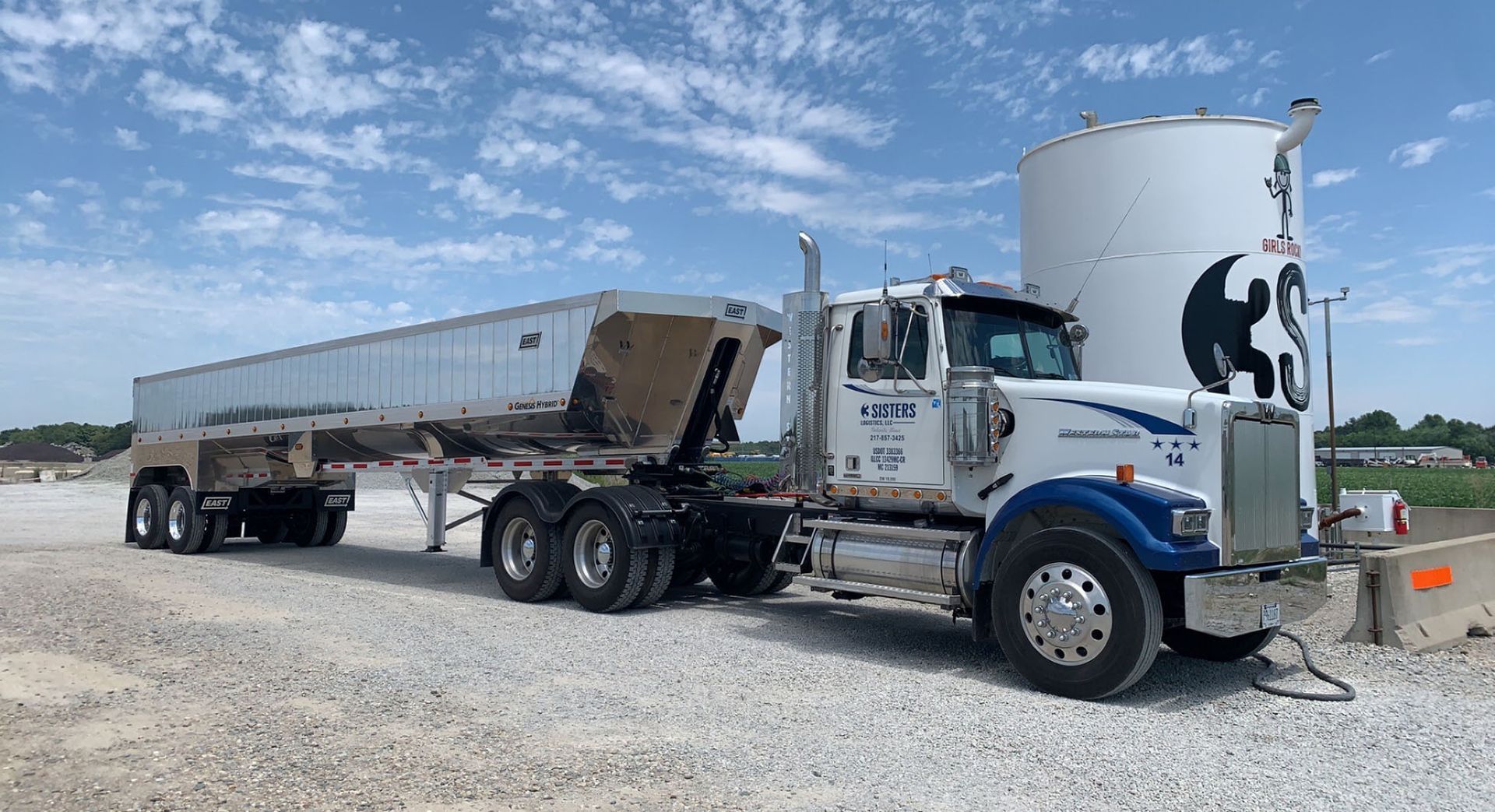
Designing an enduring outdoor space involves selecting building materials that balance elegant aesthetics with pure functionality. The critical decision between rounded river stones and crushed stone hinges on the intended practical use of the designated area. Heavy-duty driveways and load-bearing foundations demand the interlocking stability of angular aggregates. Conversely, barefoot-friendly residential patios and decorative garden borders benefit from the smooth, inviting elegance of tumbled river pebbles. We at 3 Sisters Logistics LLC remain prepared to deliver the precise crushed stone required for your landscaping foundation. Contact our team to schedule your material delivery and start your yard transformation.












Share On: